
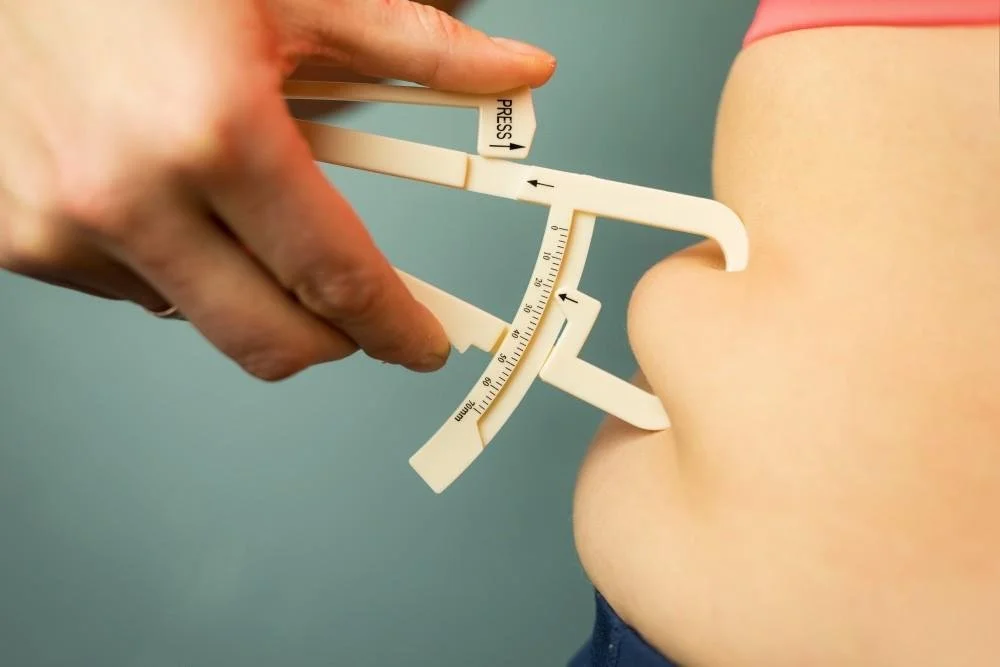
You may be familiar with body mass index (BMI). It’s a common way to measure your weight and find out if you’re experiencing challenges. While it’s still commonly mentioned and used in medicine, BMI alone isn’t the best measure of health.
You should also consider your body composition, which also tells you how much muscle and fat you have.To gather information about your health, Anastasios Manessis, MD, and our team use a state-of-the-art Seca™ scale to perform a body composition analysis at neXendo Wellness in Long Island City and Murray Hill, New York. Along with metabolic testing, your body composition analysis results can guide your weight loss program. It may motivate you to make some healthy changes to reduce your body fat and health risks like high blood pressure or heart disease.
How much body fat is too much?
Here’s the truth: There is no simple or firm range for healthy body fat, because there are too many other factors to consider. However, our team at neXendo Wellness can interpret your body fat percentage and other relevant metrics. Without considering these other factors, a healthy body fat range for women is 25-31%. For men, a healthy body fat range is 18-24%.
Other factors to consider while evaluating your body fat
Your body fat percentage is a start. However, it’s important to consider the percentage alongside other measurements related to fat, metabolism, and overall health. Body composition analyses offer more detail because they give you your muscle-to-fat ratio.
Other metrics our team considers when evaluating your health include:
How often you exercise
The type of exercise
Your body fat distribution (where fat is located on your body)
Your waist size
Your waist-to-hip ratio
Your resting metabolic rate (RMR)
Whether you have weight-related conditions like Type 2 diabetes or hypertension
Our team will likely calculate your BMI also using your height and weight measurements.
How you can reduce body fat
If you have high body fat, you can make lifestyle changes to lower it. This is especially important for visceral fat surrounding the organs in your abdomen. A little visceral fat can protect your organs, but too much can put your health at risk.
To reduce visceral fat, our team at neXendo Wellness might suggest a personalized program that includes targets like:
Modifying your diet
Exercising for at least 30 minutes per day
Reducing stress
Limiting your alcohol consumption
Getting at least seven hours of sleep
If you struggle to lose body fat despite making recommended lifestyle changes, neXendo Wellness may recommend a personalized continuous-care weight management program to support your health and longevity.
Let’s take the next step together. Get started here.