

ONERO®
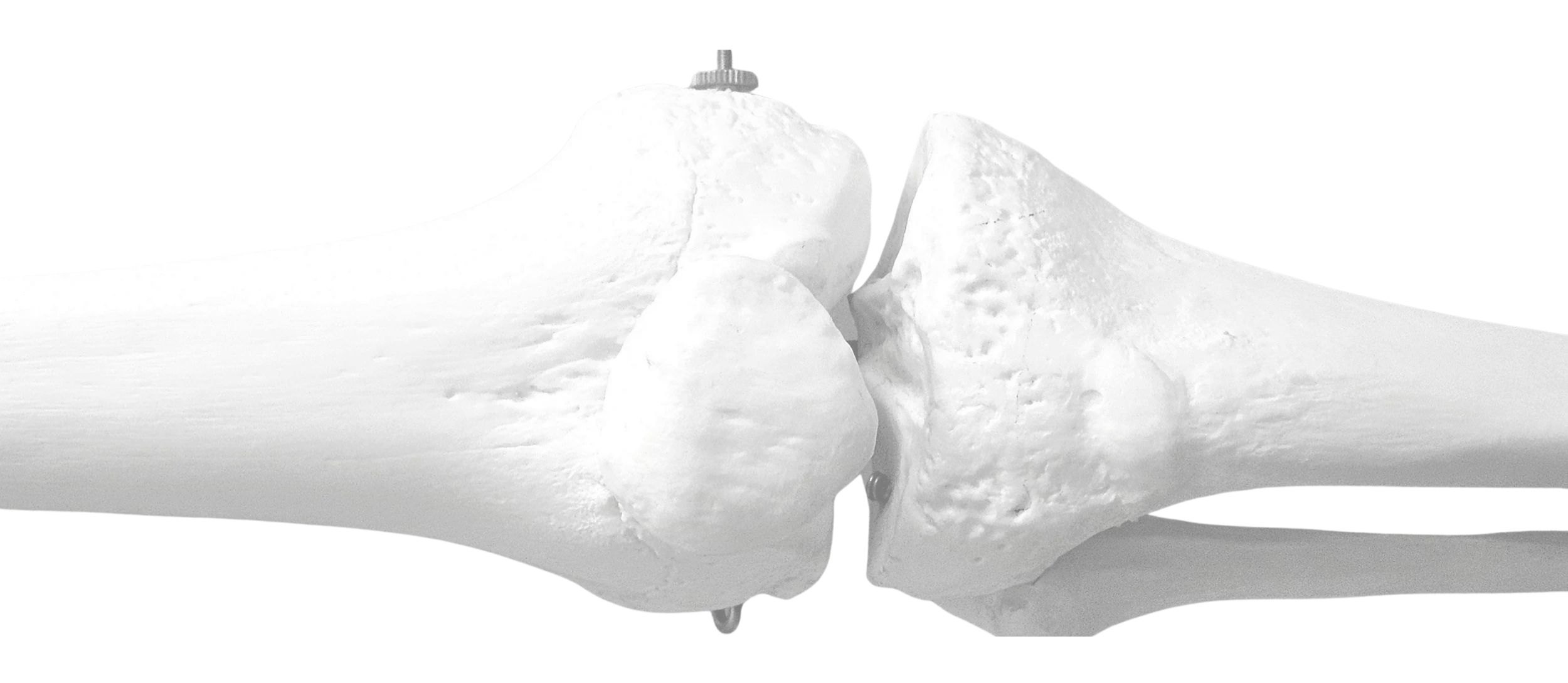
ONERO® is an award-winning, evidence-based exercise program to help improve bone density, bone structure, and bone resilience in adults with osteopenia or osteoporosis.
Many of the people who come to us for ONERO are women whose bone density changed around menopause. If that is you, the menopause care page explains how ONERO fits into a twelve-month plan alongside nutrition and an endocrinologist.
Long Island City · Through November 30, 2026
The first visit for ONERO® is complimentary at our Long Island City office through November 30. It is regularly $150 and takes about 90 minutes.
How ONERO® works, start to finish
Everyone starts with the assessment. Where you go from there depends on your history and how you move, and the trainer decides that with you at the end of the first visit.
-
01
First visit · Long Island City or Manhattan
Initial bone health assessment
About 90 minutes. We read your bone density scan if you have one, screen how you move and balance, and check your history for anything that changes how you should be loaded. No referral needed.
-
02
End of the first visit
Placement
Your trainer sets your starting loads and picks your route based on your medical and fracture history, your fitness level, your movement screen, and any orthopedic or neuromuscular consideration.
-
03
Only if the trainer recommends it
Solo sessions
One-on-one with the trainer before you join a group, usually because of fracture history, a condition that affects balance or joint loading, or very little strength training behind you. The trainer sets how many and how long.
-
04
Twelve months · either office
The group program
Supervised bone-loading exercise in a small group, two 50-minute sessions a week, with a bone density scan at the start and at twelve months. Enrollment is for the full year, billed monthly.
-
Traditional treatment often focuses on lifestyle changes, medication, hormone therapy, and lighter forms of exercise.
In many cases, people with fragile bones are told to avoid heavier weight-bearing activity out of fear of fracture, but the research behind ONERO® showed something important:
Bone needs enough mechanical load to adapt.
The latest analysis from The Bone Clinic showed significant improvements across every measured parameter, including:
51% reduction in falls in the last 12 months
78% reduction in previous fractures
-
At neXendo wellness, ONERO® is delivered with a clinical mindset.
The program combines ONERO®’s training with neXendo’s individualized nutrition plans and medical check-ups.
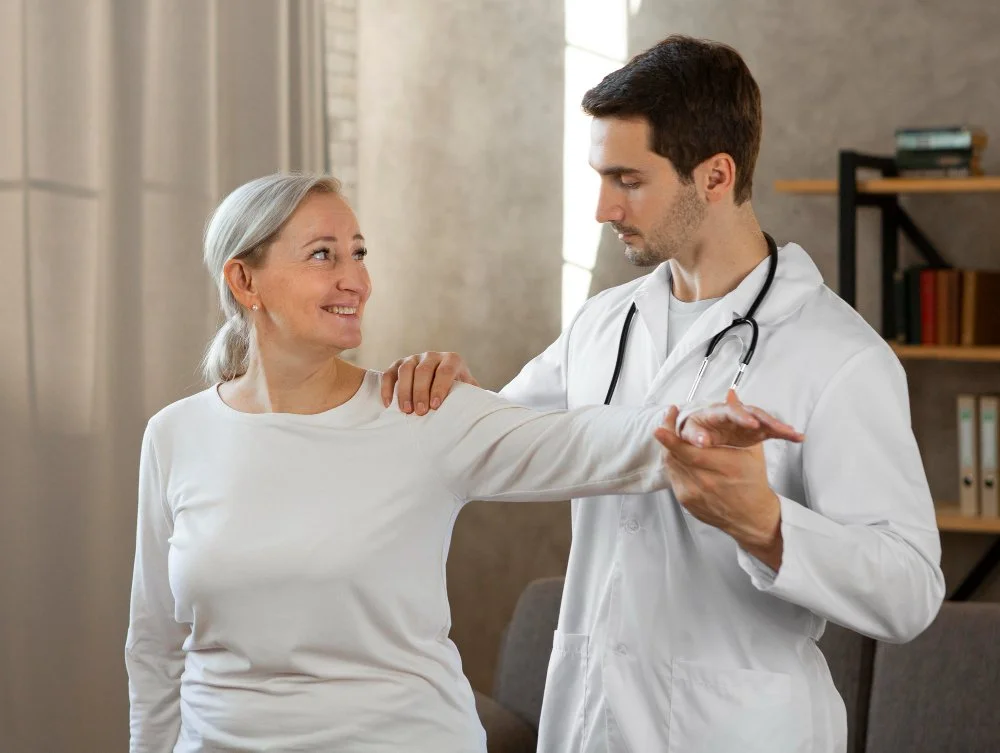
Together with your ONERO®-certified clinician, you will work through exercises selected specifically for your body and your goals.
-
This program, developed by Professor Belinda Beck can be a great fit if you:
Have osteopenia or osteoporosis
Want a more effective and safer option than general fitness classes
Feel nervous about lifting weights with low bone density
Want expert guidance on what is safe, what to avoid, and how to progress over time
Want to improve both bone health and fall prevention
Prefer a structured program supervised by a clinically trained professional
Looking for an early prevention program instead? Check out our Bone Health Plan.
-
1. ONERO® consultation. First visit: a 90-minute eligibility consultation.
2. Personalized Program Planning:
We start you on exercises that match your current ability level and clinical picture under the ONERO® guidelines.
3. Ongoing Training
You can continue with:ONERO® group sessions
One-on-one sessions
Each session is designed to help you progress safely over time.
-
That is exactly why the program begins with a thorough consultation and assessment.
We do not expect you to come in already knowing what to do. Our role is to assess your fitness level, understand your body, identify your strong and weak points, and build from there gradually.
We guide you through each stage with careful coaching, individualized exercise selection, and appropriate progression.
You do not need to choose between safety and strength.
Watch
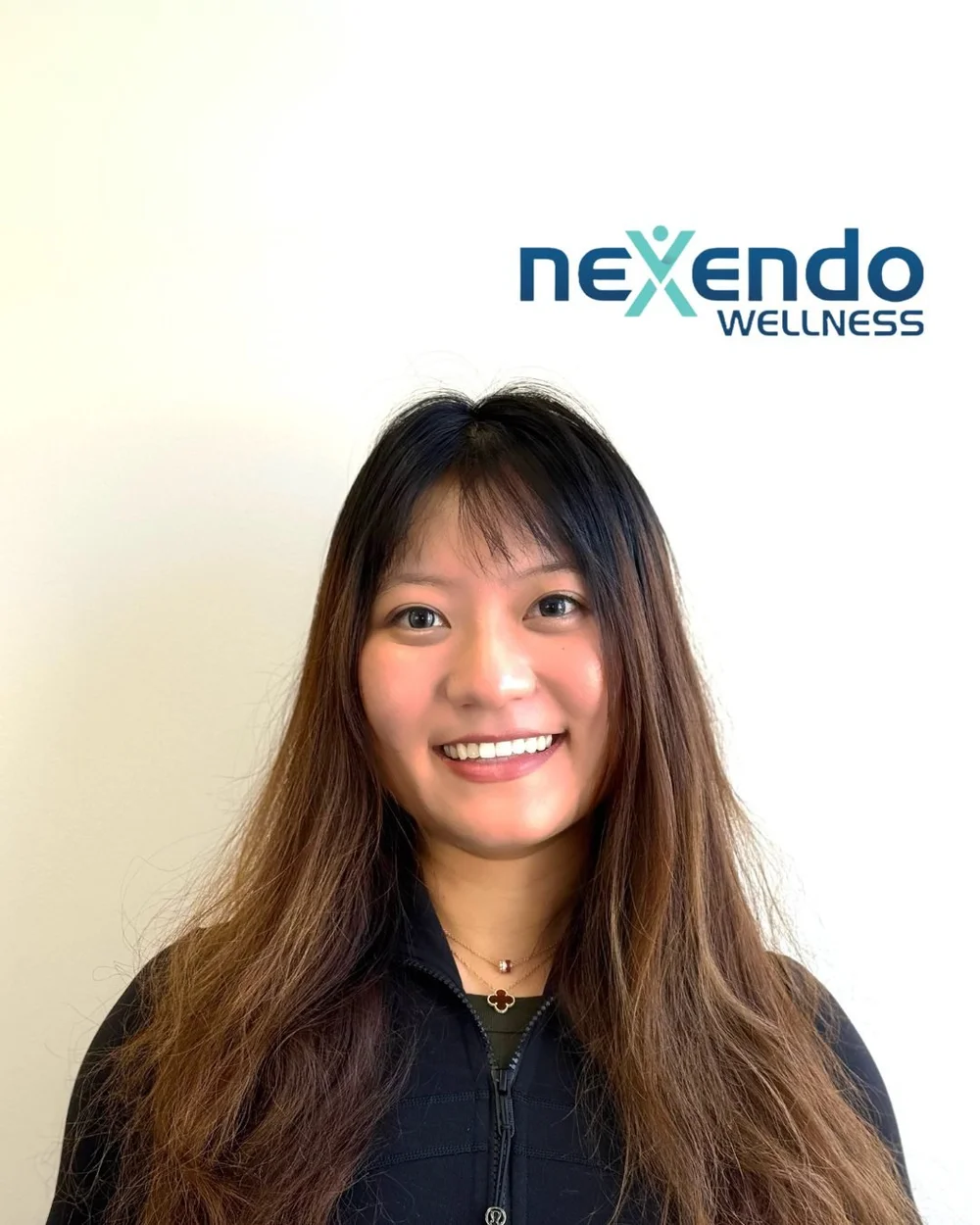
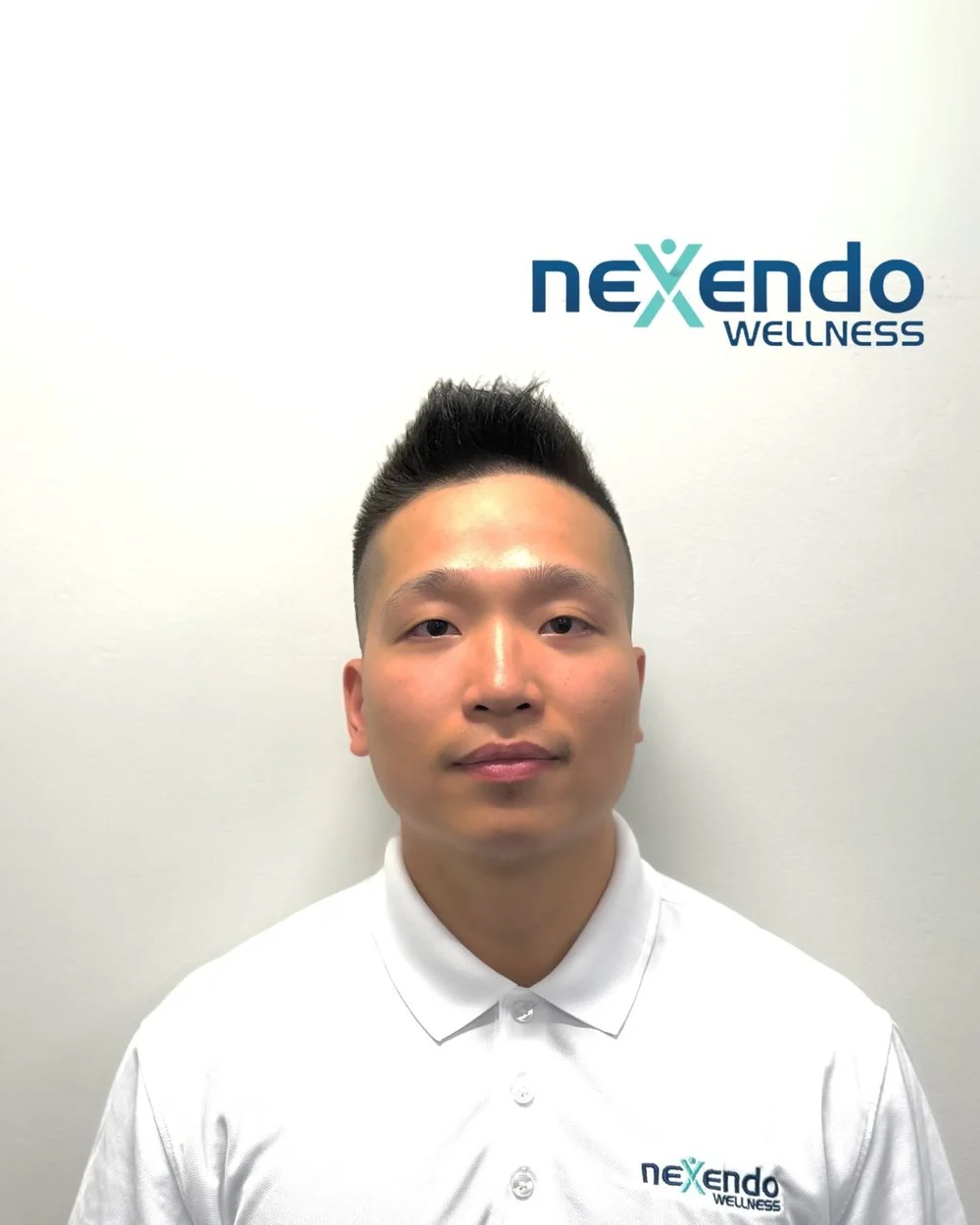
Two of our ONERO® certified instructors on what nutrition and supervised strength work can do for low bone density.
